 Kelowna
master planned community
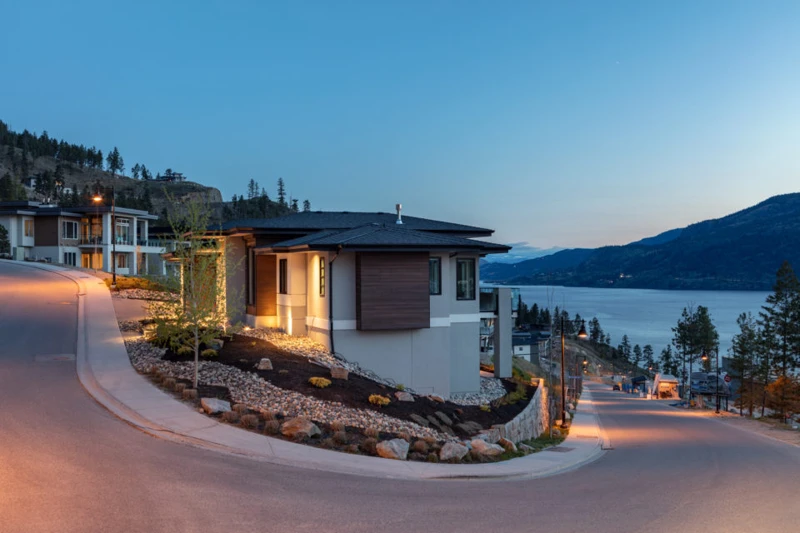
McKinley Beach
Resort style lakefront living with a marina and winery next door
Contemporary homes overlooking Okanagan Lake at McKinley Beach · local or nearby attractionKELOWNA / YOUR NEIGHBOURHOOD GUIDE
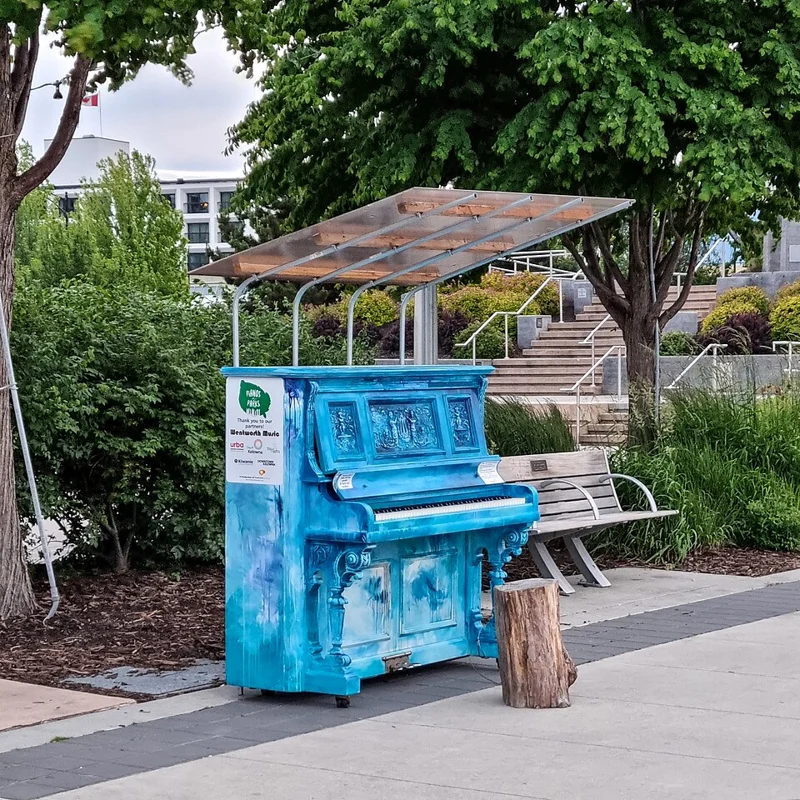
Lake walks, patios and culture, all a short stroll apart
These are research starting points, not confirmation of catchment, admission or availability.
Downtown Kelowna is the city's original 1892 townsite, laid out by the Lequime brothers facing the steamer landing on Okanagan Lake. Bernard Avenue, a 1904 stone store and a 1918 brick packinghouse survive among new towers, including the 42 storey Eli, and the 2040 plan names downtown the city's main urban centre.
Before there was a downtown, fur traders knew this sandy stretch of shore as L'Anse au Sable, or Sandy Cove. In 1890 Bernard Lequime bought the land that became the townsite. Surveyor John Coryell laid out the streets in 1891 and 1892, and the Lequime brothers set their general store in the prime spot, right across from the steamer landing. The main street, Bernard Avenue, took Bernard's name. The first buildings were wooden. From 1904, starting with the new Lequime store built of stone quarried on Knox Mountain, merchants rebuilt in stone and brick until the First World War. Kelowna incorporated in 1905 and bought land for City Park in 1909. North of Bernard grew a fruit district of warehouses, packinghouses, canneries and a sawmill, anchored by the Laurel Packinghouse, finished in 1918.
In 1939 Dr. Benjamin Boyce sold the City 228 acres on Knox Mountain for one dollar, on condition that most of it stay a park. Apartments arrived later. The 12 storey Kiwanis Tower of 1976 is counted as Kelowna's first highrise. From 2012 to 2014 a $14 million rebuild of Bernard Avenue widened sidewalks for patios, and a summer car free program followed. Since 2021 the skyline has changed quickly, with ONE Water Street, Bertram at Bernard Block and The Eli at Water Street by the Park, which at 42 storeys is the tallest building in the city. A UBC Okanagan tower with homes for students and staff is rising on Doyle Avenue. Most homes downtown are now apartments and condos, with a few older houses at the edges.
A few early 1900s houses survive at the edges of the core. Apartments began with the 12 storey Kiwanis Tower in 1976, and since 2021 concrete towers of 29 to 42 storeys have been added: ONE Water Street East and West (2021 and 2022), Bertram at Bernard Block (2024) and The Eli (2025). Today most homes are apartments and condominium units, so buyers should expect strata ownership in most buildings.
Building age, tenure, amenities and permitted uses vary by address. Explore the actual property documents with Elaine and the appropriate specialists.
The townsite was surveyed in 1891 and 1892 and developed by Bernard and Leon Lequime in 1892. Kelowna became a city in 1905, and the oldest surviving commercial building, Lequime's Store on Bernard Avenue, dates from 1904.
As of 2026 it is The Eli at Water Street by the Park, a 42 storey tower about 138 m tall that was completed in 2025. UBC Okanagan's downtown tower, due in 2027, is expected to be taller.
Parts of downtown sit beside Okanagan Lake and Mill Creek, both of which caused flooding in 2017. The City publishes floodplain mapping and sets flood construction levels, so check the specific property.
Editorial research supplied September 30, 2026. Historical accounts can differ; development references describe the research date and do not confirm current approvals or completion. Detailed origin stories have been held back where the supplied research identified insufficient evidence.
Regional outings, not amenities within this neighbourhood. Travel depends on your starting address, route and winter road conditions.
bigwhite.com · winter activities
This editorial guide draws on the supplied neighbourhood research. Amenities, businesses, dog rules, development plans and access can change. Confirm details with the operator, municipality, school district and property documents before relying on them. Map areas and centres are approximate; they are not legal boundaries or catchments.
Kelownamaster planned community
Resort style lakefront living with a marina and winery next door
Contemporary homes overlooking Okanagan Lake at McKinley Beach · local or nearby attraction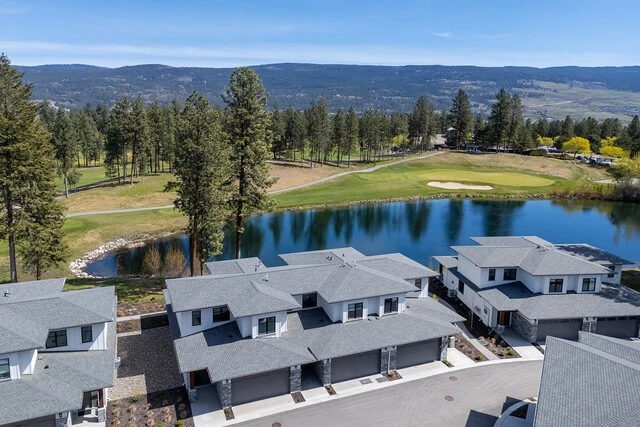
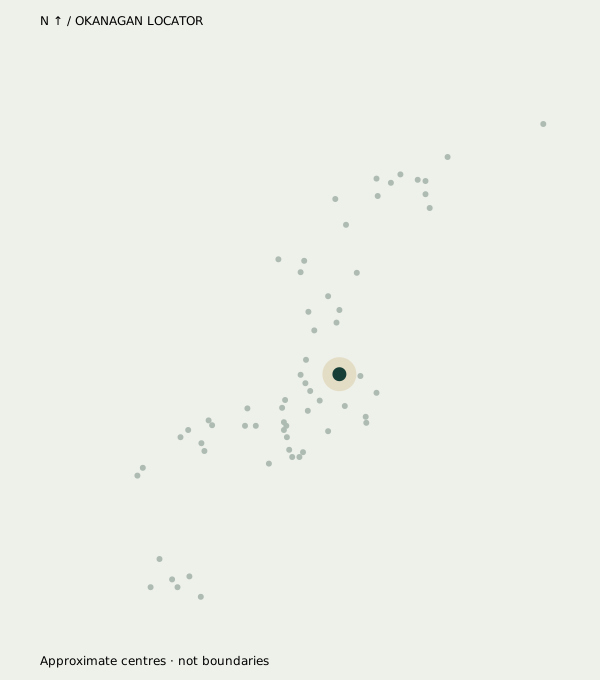 Kelowna
neighbourhood
Campus energy, golf greens and a five minute hop to YLW
Homes beside a golf course and pond in Quail Ridge · neighbourhood view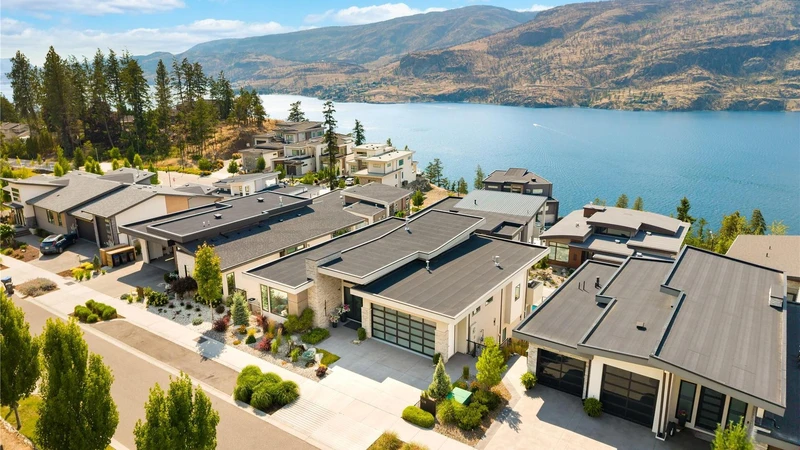
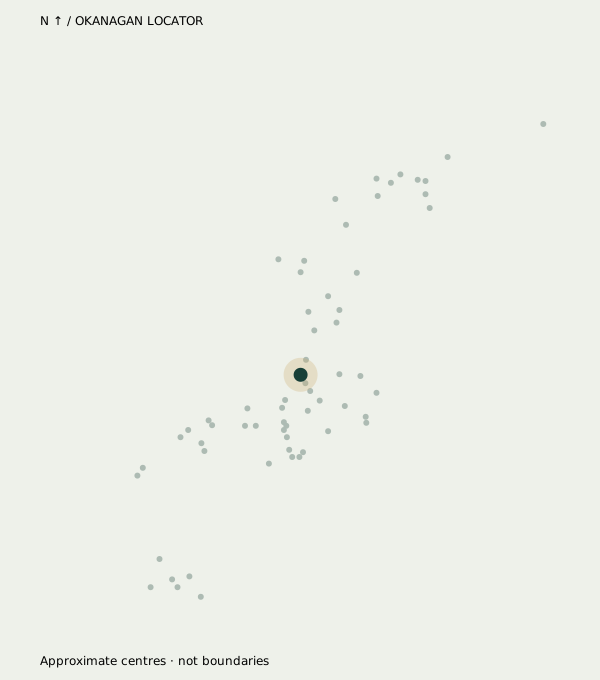 Kelowna
neighbourhood
Quiet hillside roads, lake sunsets and room to breathe
Hillside homes overlooking Okanagan Lake in the Clifton / McKinley Landing area · neighbourhood viewYOUR NEXT CHAPTER IS PERSONAL
You bring the possibilities.
Elaine helps make the plan.