 Kelowna
master planned community
McKinley Beach
Resort style lakefront living with a marina and winery next door
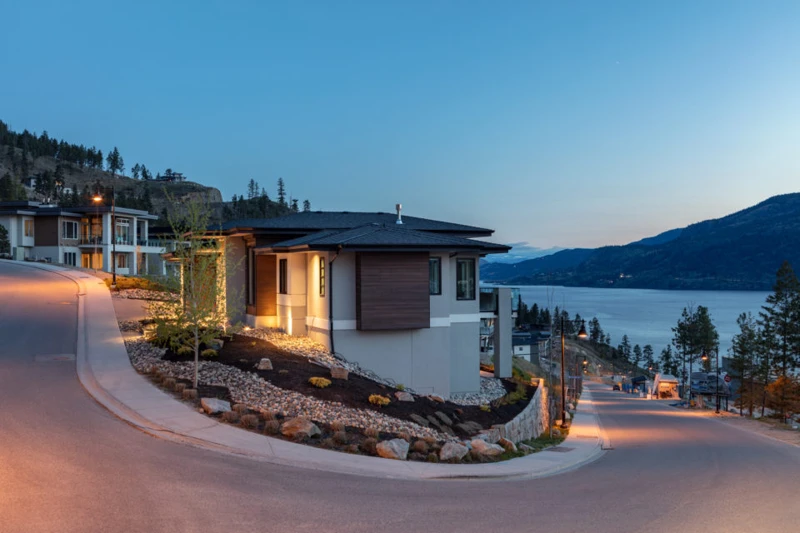
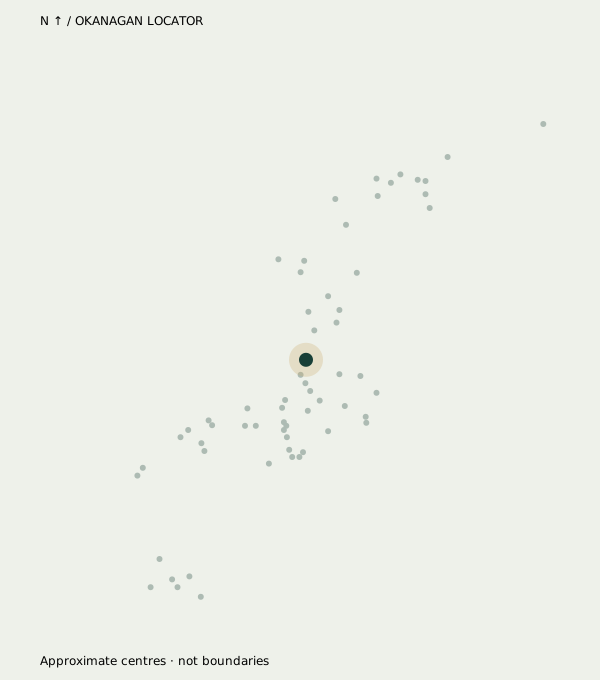
Contemporary homes overlooking Okanagan Lake at McKinley Beach · local or nearby attractionKELOWNA / YOUR NEIGHBOURHOOD GUIDE
Breweries, beaches and Knox Mountain, steps from downtown
These are research starting points, not confirmation of catchment, admission or availability.
Kelowna's North End grew as the city's industrial edge after the CNR arrived in 1925, with packing houses, canneries and the S.M. Simpson sawmill at Manhattan Point from the early 1930s. Modest postwar homes sit beside craft breweries today, and the North End Plan adopted in April 2025 guides the next 20 years.
The North End runs from downtown to the foot of Knox Mountain, named for rancher Arthur Booth Knox, whose land there was sold to the Okanagan Fruit and Land Company in 1906. In the early 1900s the area mixed farms, ranching and recreation. Manhattan Point filled with summer cottages, and Kelowna Brick Works began operating on Bay Avenue in 1905. The big shift came in 1925, when the Canadian Northern line arrived from Kamloops and the industrial district moved north to meet it. By 1930 twenty two packing houses and four canneries lined the tracks. Around 1930 to 1932 Stanley M. Simpson built a sawmill at the entrance to Manhattan Point to make fruit crates, and it ran for close to 90 years, later as Tolko, until closing in early 2020.
After the Second World War, Wartime Housing Ltd. built modest homes for returning veterans, and the City's heritage study calls them perhaps the largest intact collection of their kind in BC. Brandt's Creek was channelled in 1948 and later partly naturalized. Passenger trains ended in 1967, and after rail service on the valley line stopped in 2013 the corridor became the Okanagan Rail Trail. Breweries then clustered along Clement Avenue and Richter Street. The North End Plan, adopted April 8, 2025, sets a 20 year direction. 8 hectare mill site, owned by the Thorlakson family's Holar Developments, has its own redevelopment plan; a 2023 concept showed about 3,500 homes in towers stepping down to the lake.
Mostly small lot single and two unit homes, including 1940s Wartime Housing bungalows and 1950s homes, with lakefront homes at Manhattan Point and newer four to six storey apartments. In 2021 the City counted 839 homes, 95.4 per cent of the residential land in single or two unit use, and 38 per cent of eligible lots with a second unit.
Building age, tenure, amenities and permitted uses vary by address. Explore the actual property documents with Elaine and the appropriate specialists.
The 17.8 hectare site is owned by the Thorlakson family's Holar Developments and is going through its own Area Redevelopment Plan. 2023 concepts showed about 3,500 homes over roughly 20 years.
Council adopted the North End Plan on April 8, 2025, to guide the area for the next 20 years.
Rancher Arthur Booth Knox, whose land on the mountain was sold to the Okanagan Fruit and Land Company in 1906.
Editorial research supplied September 30, 2026. Historical accounts can differ; development references describe the research date and do not confirm current approvals or completion. Detailed origin stories have been held back where the supplied research identified insufficient evidence.
Regional outings, not amenities within this neighbourhood. Travel depends on your starting address, route and winter road conditions.
bigwhite.com · winter activities
This editorial guide draws on the supplied neighbourhood research. Amenities, businesses, dog rules, development plans and access can change. Confirm details with the operator, municipality, school district and property documents before relying on them. Map areas and centres are approximate; they are not legal boundaries or catchments.
Kelownamaster planned community
Resort style lakefront living with a marina and winery next door
Contemporary homes overlooking Okanagan Lake at McKinley Beach · local or nearby attraction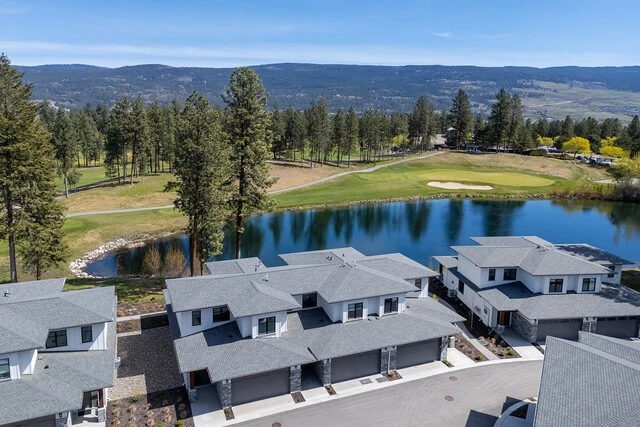
 Kelowna
neighbourhood
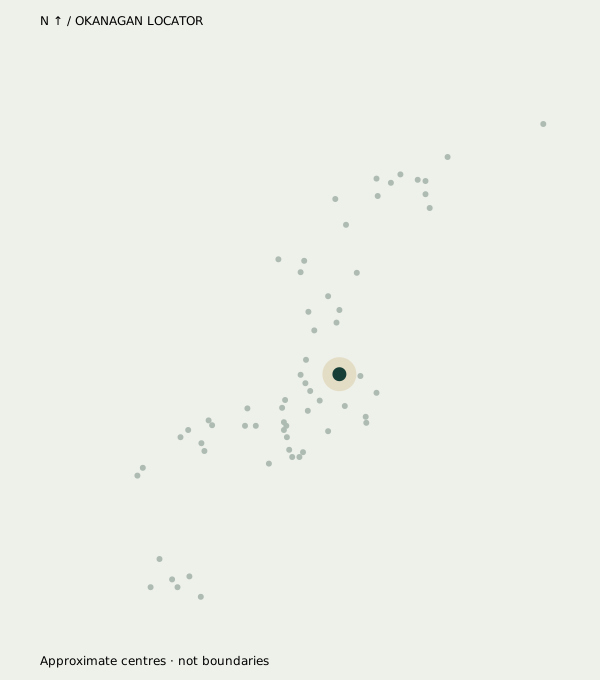
Campus energy, golf greens and a five minute hop to YLW
Homes beside a golf course and pond in Quail Ridge · neighbourhood view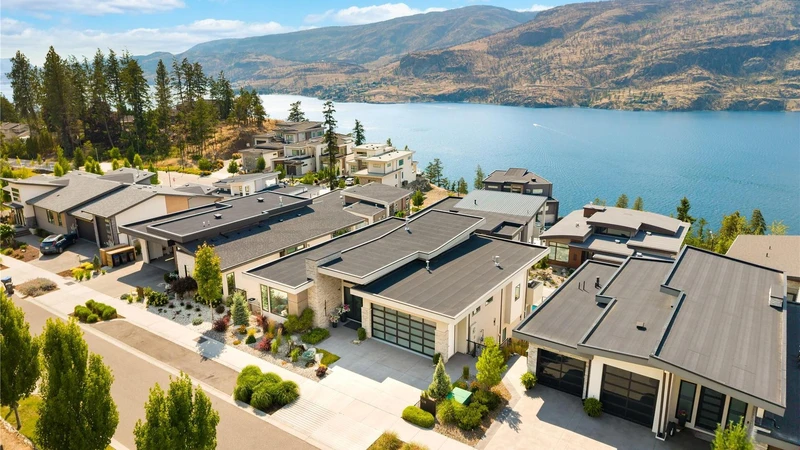
 Kelowna
neighbourhood
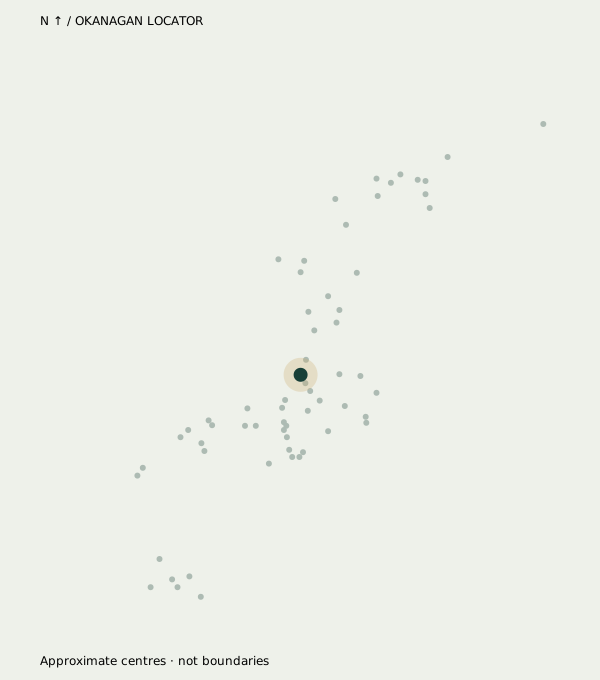
Quiet hillside roads, lake sunsets and room to breathe
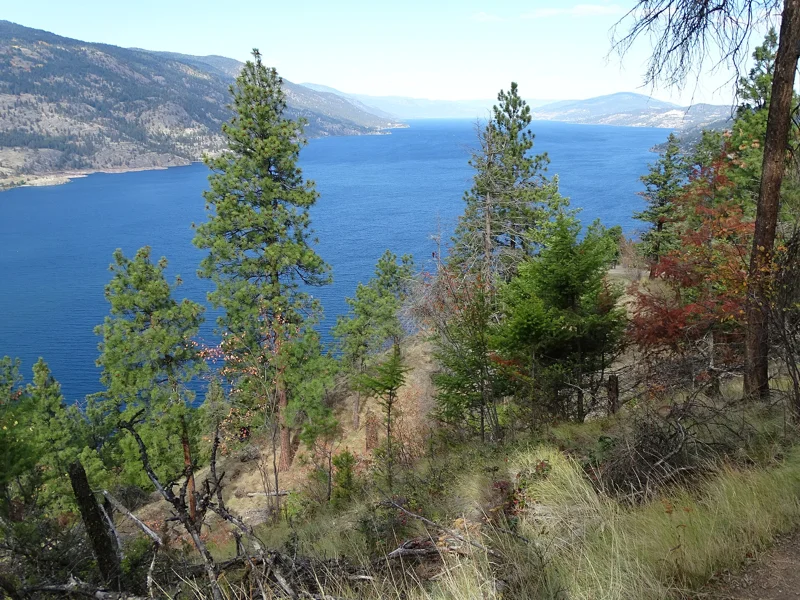
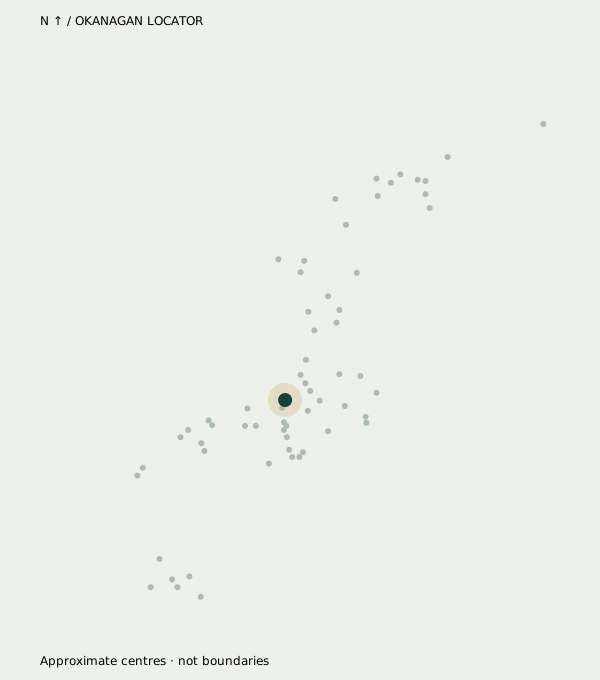
Hillside homes overlooking Okanagan Lake in the Clifton / McKinley Landing area · neighbourhood viewYOUR NEXT CHAPTER IS PERSONAL
You bring the possibilities.
Elaine helps make the plan.