 West Kelowna
master planned community
Tallus Ridge
Newer view homes stacked above the Shannon Lake fairways
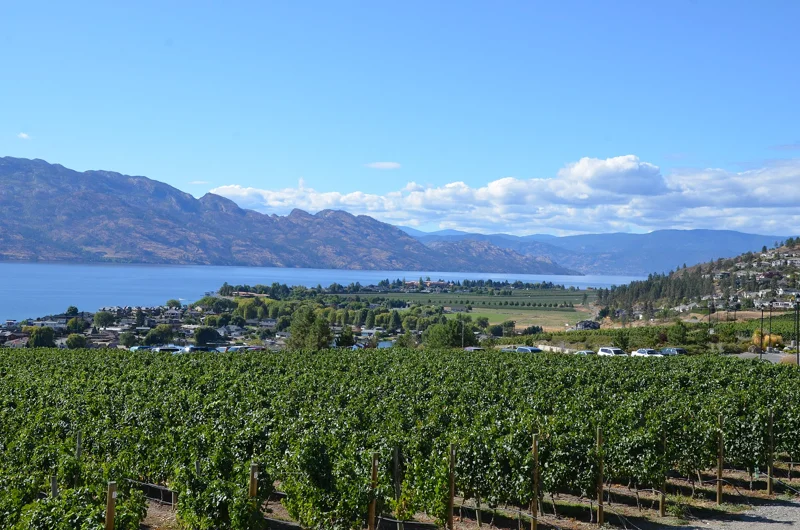
Okanagan Lake from Quails Gate · regional photographWEST KELOWNA / YOUR NEIGHBOURHOOD GUIDE
Quiet hillside streets above the lake with a regional park backyard
These are research starting points, not confirmation of catchment, admission or availability.
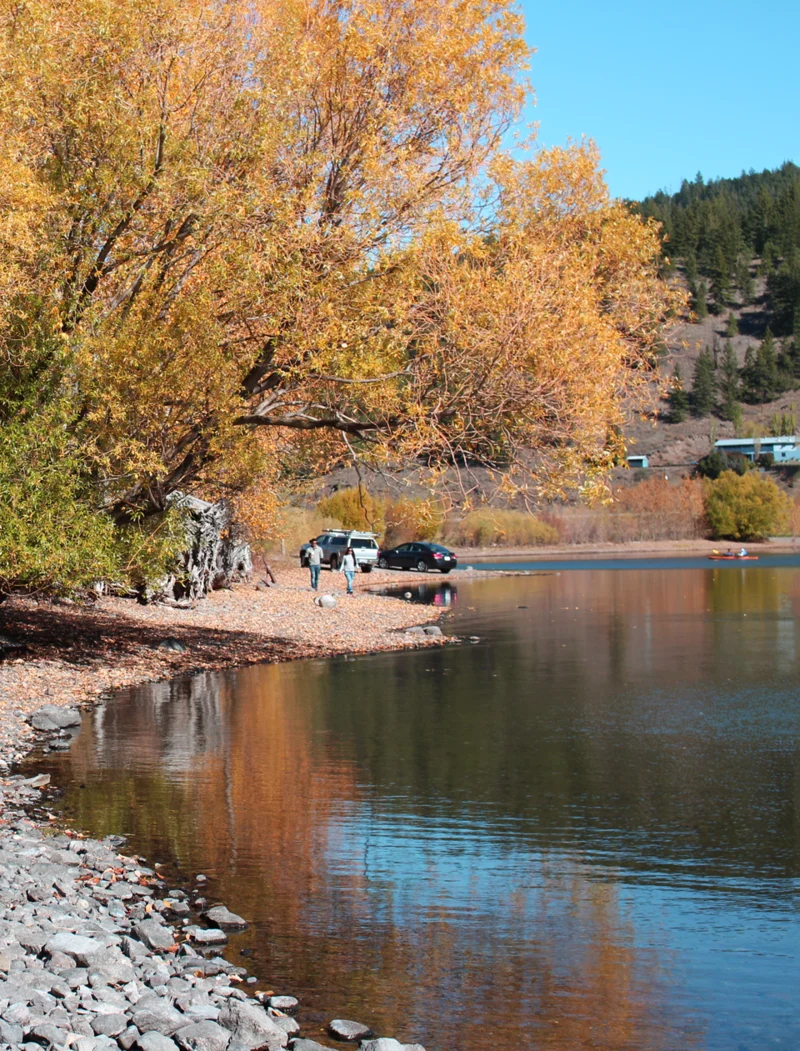
West Kelowna Estates and Rose Valley are hillside neighbourhoods north of the bridge, mostly built from the late 1970s on, beside a man made reservoir that supplies much of the Westside's water. Rose Valley Regional Park wraps the area. The 2023 McDougall Creek fire destroyed homes at the south end of West Kelowna Estates.
Before subdivisions, these slopes above the lake were dry pine and fir forest on syilx land, drained by creeks of the Lambly (Bear) Creek watershed. Water shaped what came next. West Kelowna Estates got its own lake fed water system around 1970, and local real estate histories date the first homes in the subdivision to the late 1970s. That is why many streets hold split levels and ranchers of that era beside newer view homes. Rose Valley takes its name from Rose Valley Lake, the official name of the long, narrow reservoir behind the neighbourhood. The provincial names office has not yet published its origin notes, so who named it is unconfirmed. The reservoir is part of a system of four reservoir lakes and three dams that now feeds the Rose Valley water service area, about 7,800 connections from Lakeview Heights to West Kelowna Estates.
For years these neighbourhoods lived with boil water notices. That changed when the $75 million Rose Valley Water Treatment Plant began operating in December 2023. Rose Valley Regional Park began with a 1993 land purchase on Rose Valley Pond, helped by the Southern Interior Land Trust, and grew when the regional district leased about 250 hectares of Crown land reaching the reservoir shore. Fire has tested the area twice. On July 18, 2009, the Rose Valley fire forced about 8,000 people out, with no homes lost. In August 2023 the McDougall Creek fire destroyed homes at the south end of West Kelowna Estates, while the Rose Valley neighbourhood lost none. Rebuilt homes now sit beside older ones, and the 2023 Official Community Plan names Rose Valley one of five neighbourhood centres for future growth.
First developed in the late 1970s. Expect 1970s and 1980s split levels and ranchers, hillside view homes, and newer custom homes and rebuilds, including homes replacing those lost in 2023. Mostly freehold detached houses.
Building age, tenure, amenities and permitted uses vary by address. Explore the actual property documents with Elaine and the appropriate specialists.
Local real estate histories date the first development to the late 1970s. Many homes are 1970s and 1980s split levels and ranchers, with newer rebuilds and custom homes.
Yes. In August 2023 the fire destroyed homes at the south end of West Kelowna Estates. Castanet reported that no homes were lost in the Rose Valley neighbourhood.
From the Rose Valley reservoir system in the Lambly (Bear) Creek watershed. It is treated at the Rose Valley Water Treatment Plant, which began operating in December 2023.
Editorial research supplied September 30, 2026. Historical accounts can differ; development references describe the research date and do not confirm current approvals or completion. Detailed origin stories have been held back where the supplied research identified insufficient evidence.
Regional outings, not amenities within this neighbourhood. Travel depends on your starting address, route and winter road conditions.
bigwhite.com · winter activities
This editorial guide draws on the supplied neighbourhood research. Amenities, businesses, dog rules, development plans and access can change. Confirm details with the operator, municipality, school district and property documents before relying on them. Map areas and centres are approximate; they are not legal boundaries or catchments.
West Kelownamaster planned community
Newer view homes stacked above the Shannon Lake fairways
Okanagan Lake from Quails Gate · regional photograph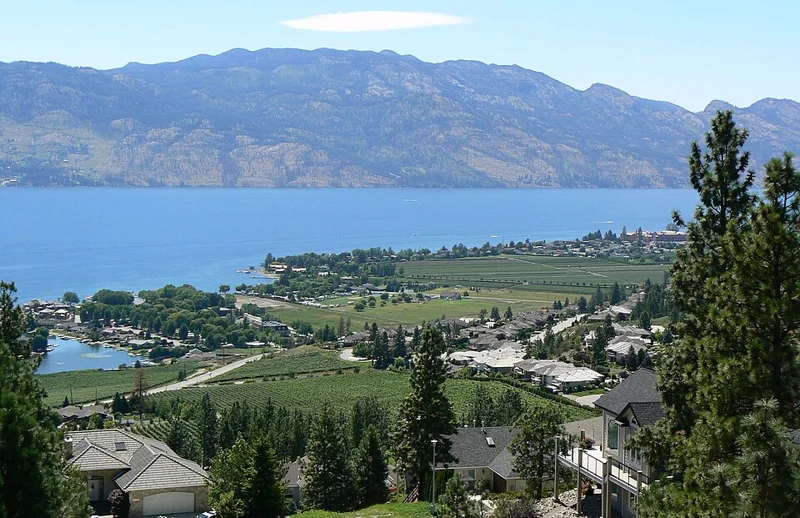
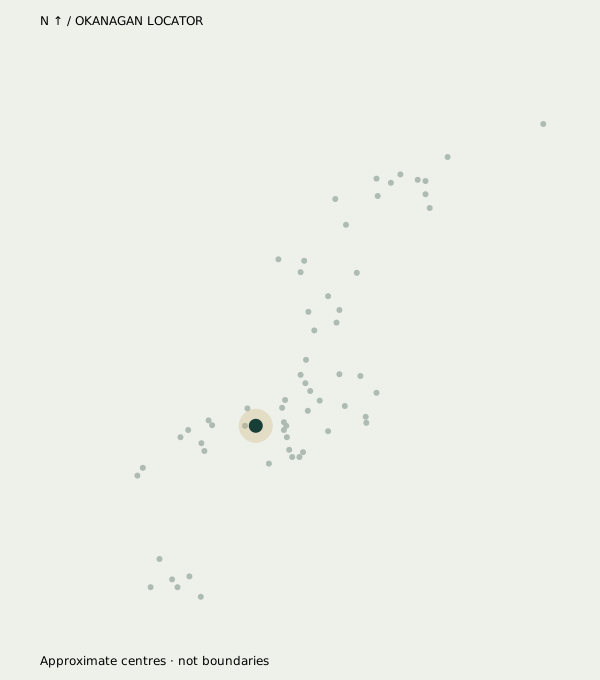 West Kelowna
neighbourhood
A tucked away lakeside enclave right beside the bridge
Green Bay on the Westside · local or nearby attraction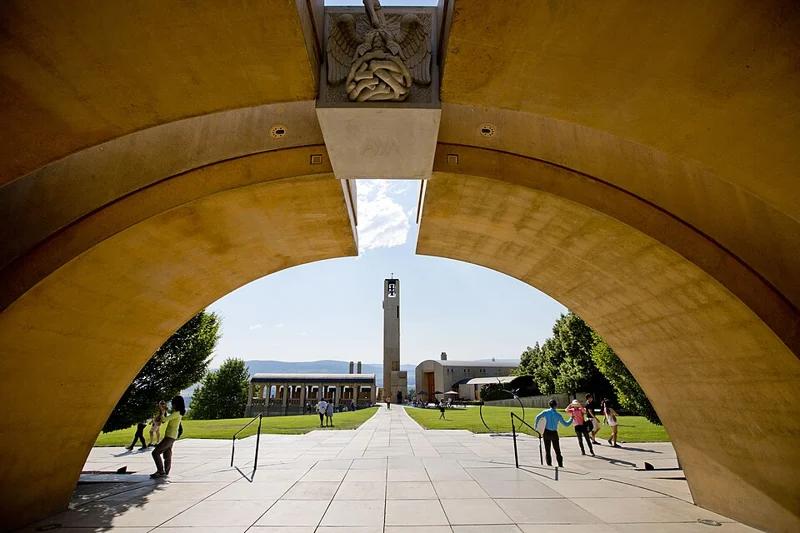
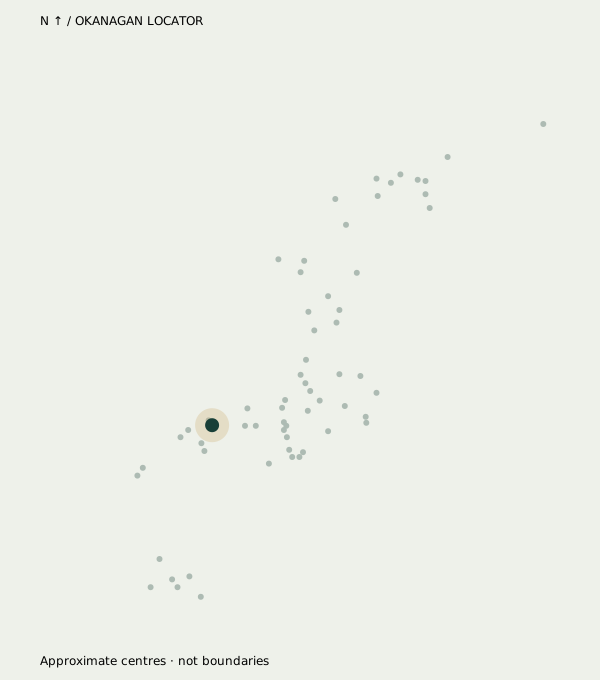 West Kelowna
neighbourhood
Golf, a fishing lake and family streets on the Westside
Mission Hill Family Estate · local or nearby attractionYOUR NEXT CHAPTER IS PERSONAL
You bring the possibilities.
Elaine helps make the plan.